GEOG 1400 - Human Geography
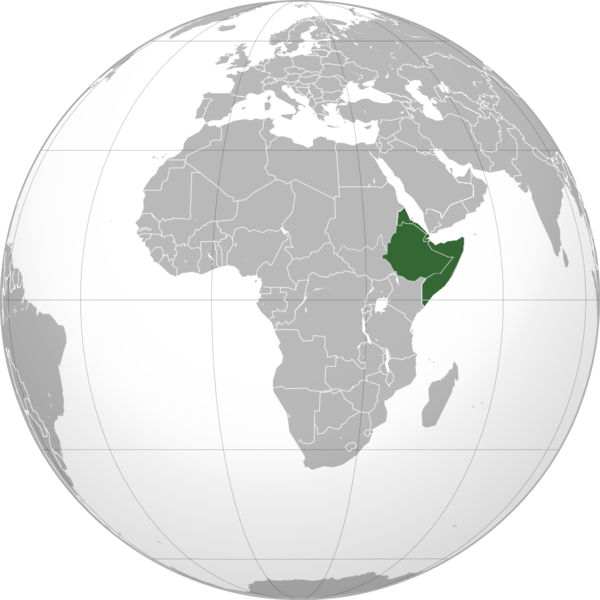
Horn of Africa Famine
April 27th, 2012
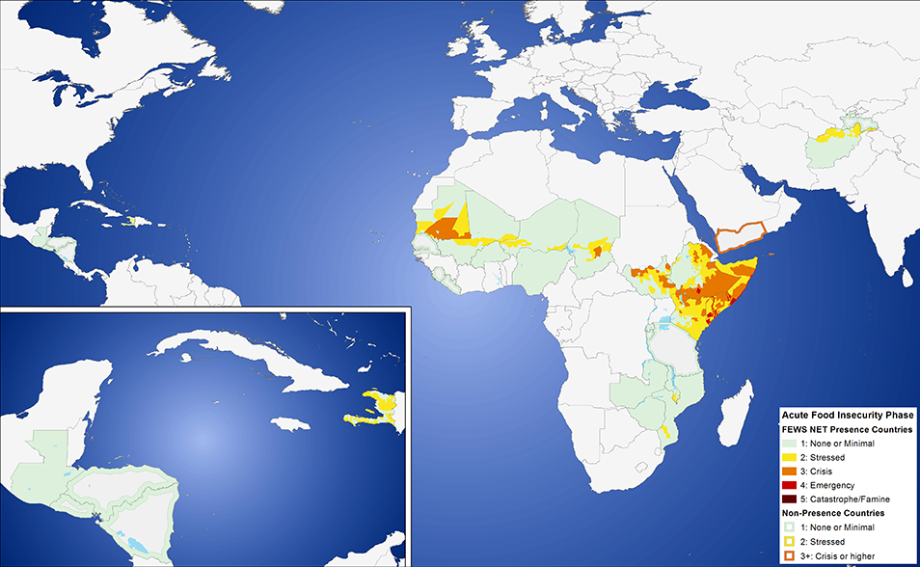
FEWS Net is:
“a generic term that includes methods of advance forecasting of food insecurity and famine using satellite imagery and ground-level crop, demographic and market observations. FEWS is also a USAID Africa Bureau-funded project that aggregates remotely sensed and in country collected data, which is then analyzed. The resulting information is given to decision-makers to assist them in choosing timely emergency interventions in African countries.”
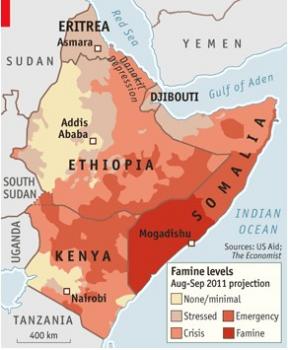
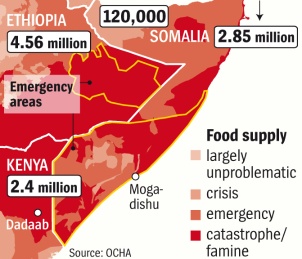
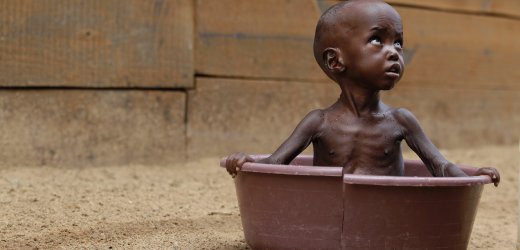
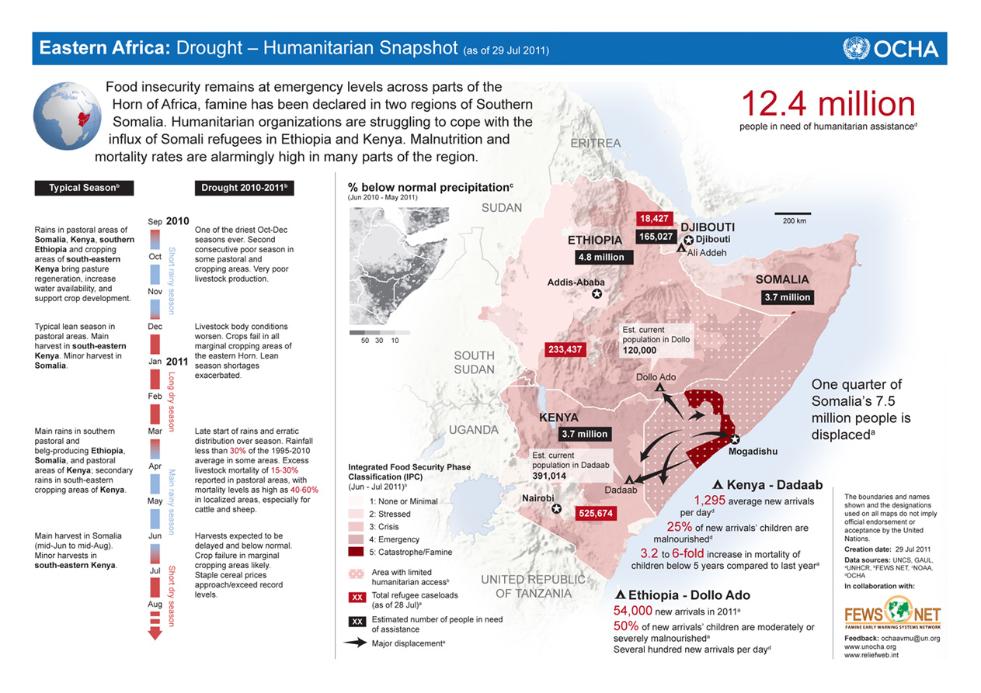
This network has been forecasting the famine in Somalia since November 2010 and yet a famine has not been declared until July 2011, eight months after the warning. The famine in 1985 was said to have hit 8 million people where this famine is said to hit 10.8 million and maybe even greater, the worst famine in 60 years. Although southern Somalia has the worst of it, Kenya and Ethiopia, also in the Horn of Africa, is being hit by this famine. Thousands of Somalis have fled their country in search of food, water and shelter, to refugee camps in Ethiopia and Kenya. Nearly half a million of children are at risk of dying from malnutrition.
A famine is defined as a “period of starvation for large portions of a population” by the USAID. For some reason, that definition did not sit well with me. It is because you need a “period of starvation” for a famine to be declared by the USAID. Which is why, even though the famine was foretold, the famine was not officially declared until July 2011 even though the famine was foretold months ahead in November 2010.
The famine in the Horn of Africa was caused by a drought, a severe and prolonged lack of rainfall which can cause water scarcity. There are over 13 million people in the Horn of Africa that needs assistance. Children are the most vulnerable in this situation, where children have the death rate of 15.3 out of 10,000 per day and adults have the death rate of 7.4 out of 10,000 per day. There has been an estimate of 750,000 that may die. | 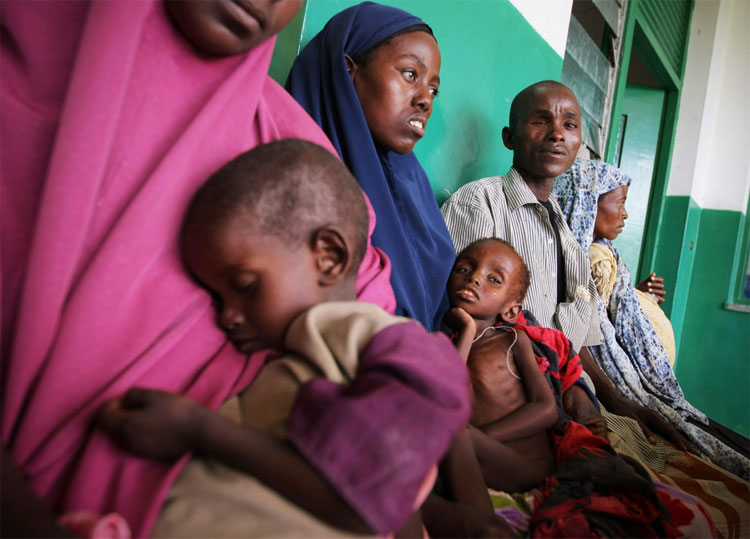 |
Somalis has been lurched from disaster to disaster for the past 21 years, year after year; they have been ranked one of the poorest, most violent countries because they are plagued by bandits, warlords, pirates and warring militias since their central government has collapsed. Because of the troubles that have already lurked in the country, when the drought hit, killing livestock and turning once-fertile land back to dust, malnutrition and death rates soared, causing hundreds of thousands of Somalis to migrate to find help. Some mothers have arrived at refugee camps in Kenya with dead babies strapped to their backs.
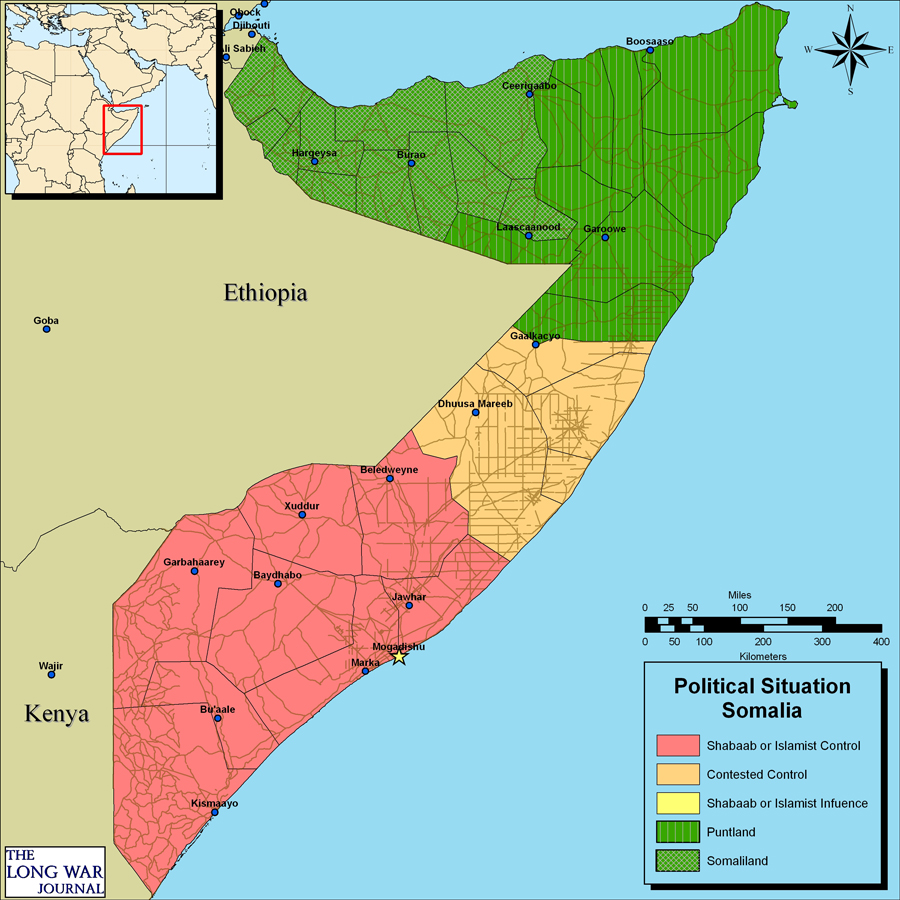
Even though we have raised so much money for aid, the situation is still hard to handle because of the lack of access we are given to go and help. Al Shabab, a brutal Islamist group, has killed dozens of aid workers, so the State Department has declared them a terrorist group and because they have, it is a crime to provide material assistance to the group. Aid officials have said that it is nearly impossible to guarantee that some of the terrorist members would not skim off some of the aid material that has been delivered to areas. Because aid in Somalia is difficult, the Somalis did not wait, tens of thousands (maybe even hundreds of thousands) have fled to Kenya and Ethiopia where refugee camps are located. The Shabab did not like the idea of Somalis in Shabab territory fleeing, so they have blocked starving Somalis and imprisoned them.
On February 3rd, 2012, the UN declared that the famine has ended but the crisis is not over. Tens of thousands of people have died in 2011 but thanks to a bumper in harvest and a surge in emergency food deliveries, the famine has been declared over. The conditions are still “precarious”, more than two million Somalis need emergency rations to survive and with so many Somalis still dying, it is noted that the crisis is not yet over.
In the fall of 2011, they have calculated that tens of thousands of people have starved to death or have succumbed to malnutrition-related illnesses (like measles), where most were children. Even though during this time, everything seemed to be down, with so many starving and malnutritioned people and the Al Shabab blocking aid help and imprisoning starving people, aid agencies did not give up. The UN helped raise more than $1 billion for relief efforts and aid workers increased deliveries to areas controlled by Somalia’s weak transitional government and its allies. In addition to that, heavy rains later hit the country in the fall and help replenish desiccated hinterlands, which led to a beautiful harvest.
“By November, famine conditions began to ease in some parts of the country.”
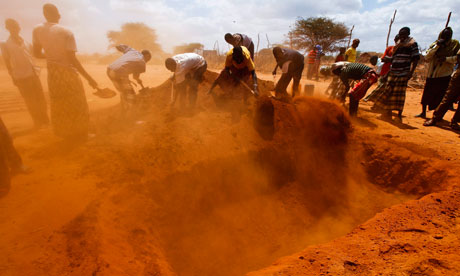
Aid organizations have focused on recovery efforts, which includes with helping dig irrigation canals and distributing seeds.
There was also heavy fighting that took place. Thousands of Kenyan and Ethiopian soldiers recently poured into Somalia to fight the Shabab, although analysts fear that the “Kenyan and Ethiopians are simply trying to carve out buffer zones to serve their own commercial interests.” The African Union troops are battling the Shabab and relentless shelling continues to kill civilians.
Because there is still so much going on with the fighting, the millions that are still in dire need of emergency rations, some fear that the world will now turn their back on Somalia, just because the “famine” has “ended”.
“The situation in Somalia is still in the throes of its worst humanitarian crisis in decades,” said Senait Gebregziabher, the head of operations in Somalia for Oxfam, an international aid organization. “The gains made so far could be reversed if the conflict worsens.”
“The world shouldn’t turn its back on Somalia,” she added, “solely because statistics say there is no longer a famine."
Sources:
http://www.cnn.com/2011/WORLD/africa/07/20/iyw.howtohelp.somalia.famine/index.html
http://www.economist.com/node/21524864
http://www.usaid.gov/our_work/humanitarian_assistance/ffp/crg/annex-1.htm
http://topics.nytimes.com/topics/reference/timestopics/subjects/f/famine/index.html
Images (In order of appearance) :
Poster - http://www.unfpa.org/public/home/sitemap/pid/8126
Mothers in Waiting - http://www.un.org/apps/news/story.asp?NewsID=39450
Gallery - http://carbon-based-ghg.blogspot.com/2012/04/horn-of-africa-plans-to-reduce-drought.html
http://www.donbosconetwork.org/node/3427
http://www.spiegel.de/international/world/0,1518,775338,00.html
http://www.911familiesforamerica.org/?p=1196
http://www.spiegel.de/international/world/0,1518,775338,00.html
http://www.guardian.co.uk/global-development/2011/aug/01/red-cross-aid-somali-famine
March 2012 Map - http://v4.fews.net/Pages/imageryhome.aspx?map=0